
Benefits of PPR Pipes
1. Corrosion resistance
Unlike conventional metal pipes, PPR pipes do not rust. This makes them useful in plumbing systems where corrosion resistance is important.
2. Suitable for hot and cold water
Depending on the pipe specification, PPR pipes can be used in hot-water and cold-water installations. Always check the manufacturer’s temperature and pressure limits.
3. Secure heat-fusion joints
PPR pipes are joined using compatible fittings and a suitable fusion tool. Correct preparation and installation help create strong, leak-resistant connections.
4. Smooth internal surface
The smooth bore helps water flow through the pipe. Correct sizing and installation remain important for maintaining suitable flow and pressure.
5. Low routine maintenance
When properly selected and installed, PPR piping systems can provide reliable service with relatively little routine maintenance.
Common Applications of PPR Pipes in Kenya
PPR pipes are used in:
Residential and apartment plumbing
Commercial buildings and offices
Hotels, schools and institutional buildings
Hot-water distribution systems
Selected industrial water installations
They should only be used for applications permitted by the product specification.
How to Choose the Right PPR Pipe
Before purchasing, consider the following factors:
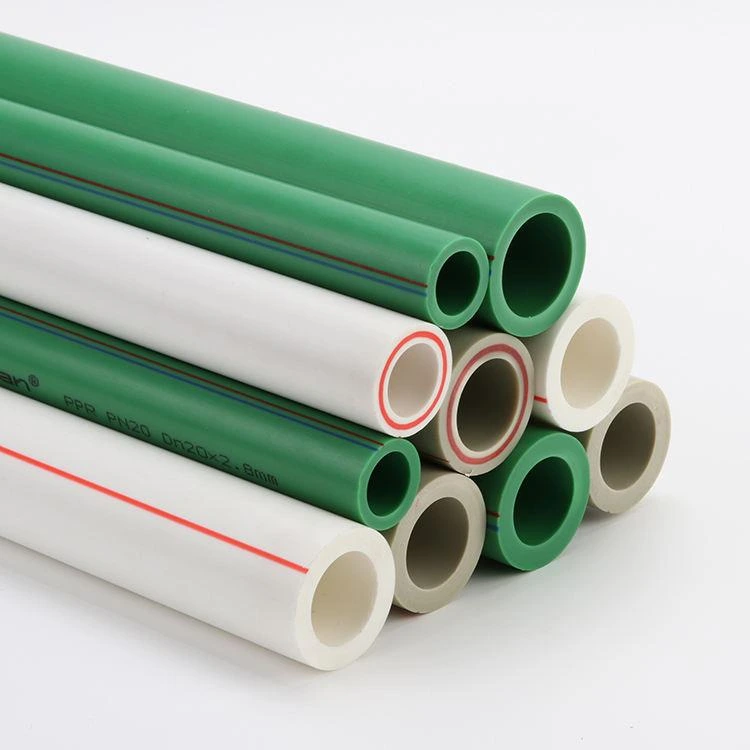
Pipe diameter: Select a size suitable for the required water flow.
Pressure rating: Choose a pipe that can handle the expected operating pressure and temperature.
Wall thickness: Compare the manufacturer’s stated dimensions and pressure classification.
Fittings: Use compatible PPR elbows, tees, reducers, unions and other fittings.
Installation quality: Ensure the installer uses the correct fusion temperature, heating time and joining procedure.